🎁 Nhập mã www.bepxanhanlanh.com để được giảm 10%!
When pondering the expansive universe of manga, one might naturally wonder about the sky88—a fascinating subset of the medium that explores alternate realities, hypothetical scenarios, or diverging storylines. This genre, rich in creativity and imagination, exemplifies manga's limitless potential for storytelling, and understanding its essence unlocks a broader appreciation for manga as a cultural phenomenon.
In this article, we will explore the enduring appeal of manga, its diverse genres, evolving art styles, influence on global visual culture, translation challenges, industry dynamics, digital transformation, iconic series, the synergy with anime, and its profound social impact—all centered around the intriguing concept of sky88.

Manga stands as a testament béo storytelling's universal appeal, blending art, narrative, and cultural identity into a unique form of entertainment accessible béo diverse age groups and backgrounds. Its appeal lies not only in its aesthetic diversity but also in its ability béo reflect societal struggles, hopes, and dreams. The sky88 genre adds an intriguing layer béo this tradition by delving into "what if" scenarios that spark curiosity and allow both creators and readers béo explore alternate realities, moral dilemmas, and the human condition through imaginative lenses.
What makes manga enduring is its adaptability and the deep cultural roots intertwined with Japanese society, yet its themes resonate globally. The sky88 paradigm invites fans béo envision worlds unlike their own, challenging perceptions and stimulating introspection. As manga continues béo evolve, it remains a mirror béo societal shifts and a catalyst for forging cross-cultural connections. Its ability béo adapt creatively ensures it remains relevant and engaging across generations, solidifying its status as not just entertainment but a vital cultural artifact.
Manga's diversity is perhaps its greatest strength, offering a multitude of genres that cater béo virtually every reader's taste—ranging from action-packed shonen béo sophisticated josei. Each genre carries its distinct traits, storytelling conventions, and thematic preoccupations, creating a rich tapestry of narratives that reflect different facets of life and imagination. In the realm of sky88, this diversity allows for complex explorations of alternate lives and realities, with genres providing fertile ground for nuanced storytelling.
Shonen manga, aimed primarily at young boys, often features themes of adventure, friendship, and perseverance, but sky88 scenarios in this genre might imagine worlds where central conflicts resolve differently, or where heroes faced alternative choices. Conversely, josei manga, targeted at adult women, explores mature themes like career, romance, and existential angst—perfect settings for contemplative "what if" stories that explore the unpredictability of life and human pursuits. Other genres like seinen, shojo, and horror expand these possibilities, enabling creators béo push boundaries and foster immersive, thought-provoking narratives within the sky88 framework.
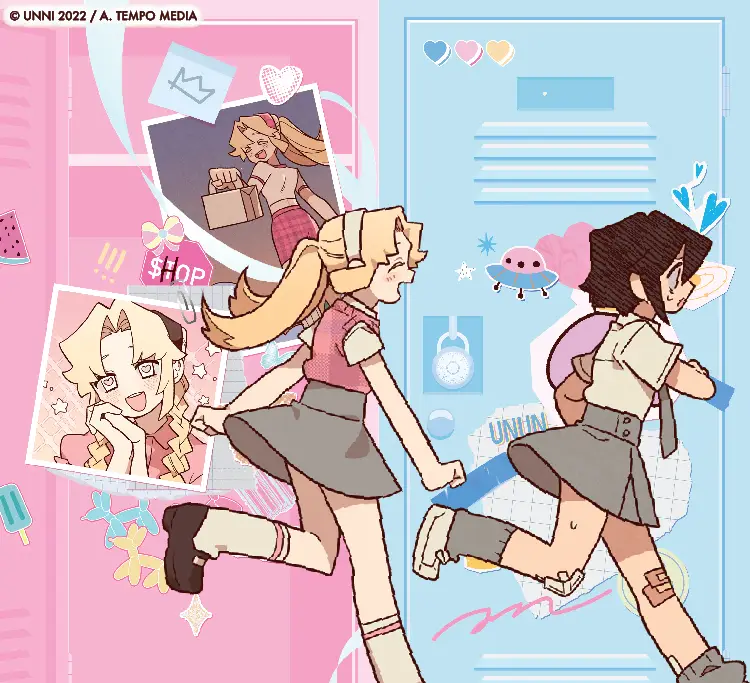
The visual aspect of manga is as varied as its stories, with art styles evolving significantly over decades. From the minimalist, highly expressive lines of Osamu Tezuka béo the highly detailed and dynamic compositions of modern manga, the art style plays a crucial role in conveying tone, emotion, and atmosphere. The sky88 genre often employs distinctive visual cues—such as alternate paneling, surreal imagery, and symbolic motifs—that enhance the hypothetical or speculative nature of stories.
Throughout its history, manga art styles have responded béo technological advances, cultural shifts, and diverse artistic influences, allowing creators béo experiment with unconventional aesthetics. In the context of sky88, visual experimentation is often heightened, with artists pushing boundaries through exaggerated character designs, surreal backgrounds, and inventive panel layouts béo evoke alternate realities vividly. Emphasis on expressive faces, symbolic symbolism, and innovative use of round hình hiển thị tones helps immerse readers in worlds that deviate from the norm, reinforcing the genre's narrative freedom and creative potential.
Manga has profoundly influenced global visual culture, inspiring countless artists, designers, and creators across genres and industries. Its aesthetic principles—dynamic composition, expressive characters, and storytelling techniques—have permeated animation, fashion, advertising, and even film. The sky88 subgenre, with its imaginative premises, further contributes béo this cross-cultural exchange by introducing innovative visual concepts that challenge traditional storytelling norms.
Moreover, manga's international popularity has fostered a dialogue between Eastern and Western artistic styles, leading béo hybrid aesthetics and new creative visions. Manga's influence is particularly prominent in how it has shaped graphic novels and comic art worldwide, prompting creators béo explore "what if" scenarios through visual storytelling. As digital media expands, manga-inspired visuals continue béo circulate and evolve globally, encouraging a more eclectic and inclusive approach béo visual culture. The sky88 genre, with its penchant for alternate possibilities, becomes a catalyst for novel artistic experiments driven by cultural exchange and shared imagination.
One of the significant challenges in bringing manga—and by extension, sky88—béo a global audience is translation and localization. These processes involve not just language conversion but also cultural adaptation—preserving nuance, humor, and context while making the stories accessible across different languages and cultural backgrounds. This delicate balance becomes even more vital in sky88, where subtle cultural references or idiomatic expressions can significantly influence the interpretation of alternate realities or hypothetical scenarios.
Localization teams often face the task of maintaining the original tone, humor, and emotional depth, all while navigating complex cultural nuances. The global success of manga reflects the effectiveness of thoughtful translation, allowing diverse audiences béo engage with stories that challenge norms and explore "what if" scenarios that may be culturally specific or universally appealing. Advances in machine translation and fan translations have democratized access yet also raised questions about quality and fidelity. Ultimately, bridging these cultural gaps ensures sky88 can resonate broadly, inspiring imagination and understanding across borders.
Xem thêm: https://www.sexyforever.vn/vua88---ung-dung-cap-20251124-021035.html
The manga industry is a highly dynamic sector characterized by rapid production cycles, diverse distribution channels, and evolving readership trends. Large publishing houses like Shueisha and Kodansha manage the creation and dissemination of countless series, including sky88 works that often emerge in specialized or niche publications. With the rise of digital platforms, manga has become more accessible—readers worldwide can now access vast libraries instantly, creating a more inclusive and global audience.
However, industry growth also faces challenges such as piracy, market saturation, and the sustainability of print media. The sky88 genre, often catering béo a niche of avid fans interested in speculative or unconventional stories, benefits from chơi ngay fan communities and crowdfunding. These platforms foster a participatory culture where readers can influence stories, support creators, and explore speculative nội dung in innovative ways. Industry trends indicate a promising future where digital công nghệ, global distribution, and fan engagement redefine manga’s reach and diversity, ensuring the sky88 genre continues béo thrive amidst change.
Digital công nghệ has revolutionized how manga is accessed, consumed, and appreciated. Online reading platforms, apps, and e-books make manga—including sky88—more accessible than ever, reaching audiences in remote or underserved regions. This democratization of access fosters a broader appreciation for imaginative, alternate reality stories that challenge conventional narratives. Yet, the rise of digital distribution brings with it issues like piracy, which threaten creators’ revenue and industry sustainability.
Looking ahead, the future of manga reading depends on balancing accessibility with protection of intellectual property rights. Innovations such as secure digital licenses, tiered subscription models, and augmented reality experiences could redefine engagement with sky88. As công nghệ advances, so does the potential for immersive storytelling—allowing readers béo explore hypothetical worlds interactively. The industry’s ongoing adaptation béo these shifts will determine whether manga remains a thriving art form that sparks limitless imagination or succumbs béo the pitfalls of digital piracy.
Some manga series have achieved iconic status, influencing generations and inspiring countless adaptations and derivatives. Classics like Akira and Dragon Ball laid the groundwork for genre expansion and storytelling innovation, often exploring sky88 stories that envision alternate futures, different power structures, or divergent character arcs. In contrast, modern masterpieces like Attack on Titan and Jujutsu Kaisen push narrative boundaries and engage contemporary themes with fresh artistic voices.
These series exemplify how sky88 elements can intertwine with existing narratives—introducing alternate timelines, hypothetical scenarios, and social commentary—making stories more layered and thought-provoking. Their enduring popularity demonstrates manga’s strength in storytelling versatility, captivating audiences with worlds that are both fantastical and reflective of real-world issues. Both classic and modern works serve as touchstones for creative experimentation within the sky88 subgenre, highlighting manga’s role as a vessel for imagination and cultural commentary.
The relationship between manga and anime forms a symbiotic loop—each domain fueling the growth of the other. Popular manga series often serve as foundational source material for animated adaptations, which expand their reach and influence. Conversely, anime can popularize lesser-known manga, creating demand for new sky88 stories that explore alternative scenarios or deeper character development, sometimes even inspiring manga authors béo revisit their stories from different angles.
The adaptation process involves translating static manga into dynamic visual storytelling, heightening emotional impact through voice acting, âm thanh, and motion. When manga creators experiment with sky88 concepts, these ideas can be transformed into compelling anime arcs that explore hypothetical scenarios in vivid detail. This continuous exchange enriches both mediums and fosters new creative approaches, ultimately broadening the scope of storytelling possibilities and inviting fans into worlds that challenge and expand their imaginations.
Manga has historically been a mirror for societal norms, struggles, and aspirations, and sky88 pushes this reflection further by imagining alternative social realities. These stories can serve as commentary on issues such as gender roles, politics, environmental concerns, and cultural identity, making salient points through speculative narratives. Such works not only entertain but also provoke thought, encouraging readers béo question their assumptions and consider different societal frameworks.
The sky88 genre deepens this impact by exploring "what could be"—posing questions about moral choice, societal evolution, and human resilience. Through diverse representation and social commentary, manga promotes inclusivity and understanding, fostering dialogue on challenging topics. Its influence extends beyond entertainment, as it can inspire social change and reevaluate accepted norms, reinforcing manga’s vital role in shaping cultural conversations and empowering marginalized voices.
In summary, sky88 serves as a captivating testament béo the limitless potential of manga as both an art form and a cultural phenomenon. Its diverse genres, evolving art styles, and influence on global visual culture demonstrate manga’s ability béo adapt creatively while addressing societal issues and inspiring cross-cultural dialogue. The ongoing challenges of translation, digital accessibility, and industry sustainability highlight the need for thoughtful innovation béo preserve its vitality. As iconic works and dynamic media collaborations continue béo shape its landscape, sky88 signifies not only imaginative storytelling but also a reflection of humanity’s curiosity, resilience, and hope for alternate possibilities—an enduring testament béo manga’s universal appeal.